Skip to content
DatesPick your dates
Nights4
Guests2 adults
Check availability

Ecohotel · figures, not adjectives

The hotel runs on León's sun

We do not have a certification plaque to hang on the wall. We have 190 solar panels, a battery bank that supplies energy during the night, and a pool with almost imperceptible chlorine levels. This is what we do: real data, measured and without embellishment.

190

solar panels on the roofs

60 kW

of installed capacity

70%

of the energy we consume

Sun 190 panels – 60 kW 10 batteries – 100 kWh 17 units, at night

How the energy gets from the roof to your room

Photovoltaic system

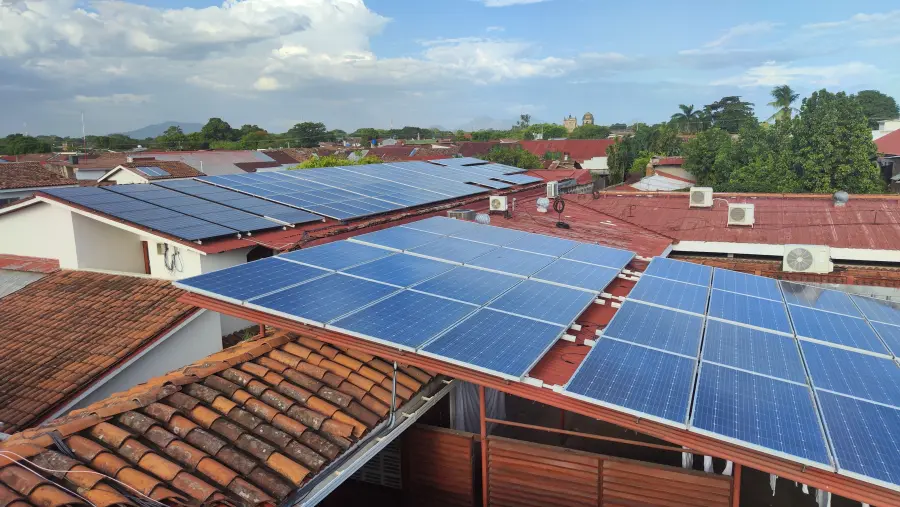
190 panels and 60 kW on the rooftops

The solar panels cover the building’s rooftops and provide 60 kW of nominal capacity. On a clear day, they produce more energy than the hotel consumes at that time; the surplus is used to charge the battery bank.

A section of the photovoltaic panels located on the hotel roof. In the background are four solar water-heating panels.

Storage

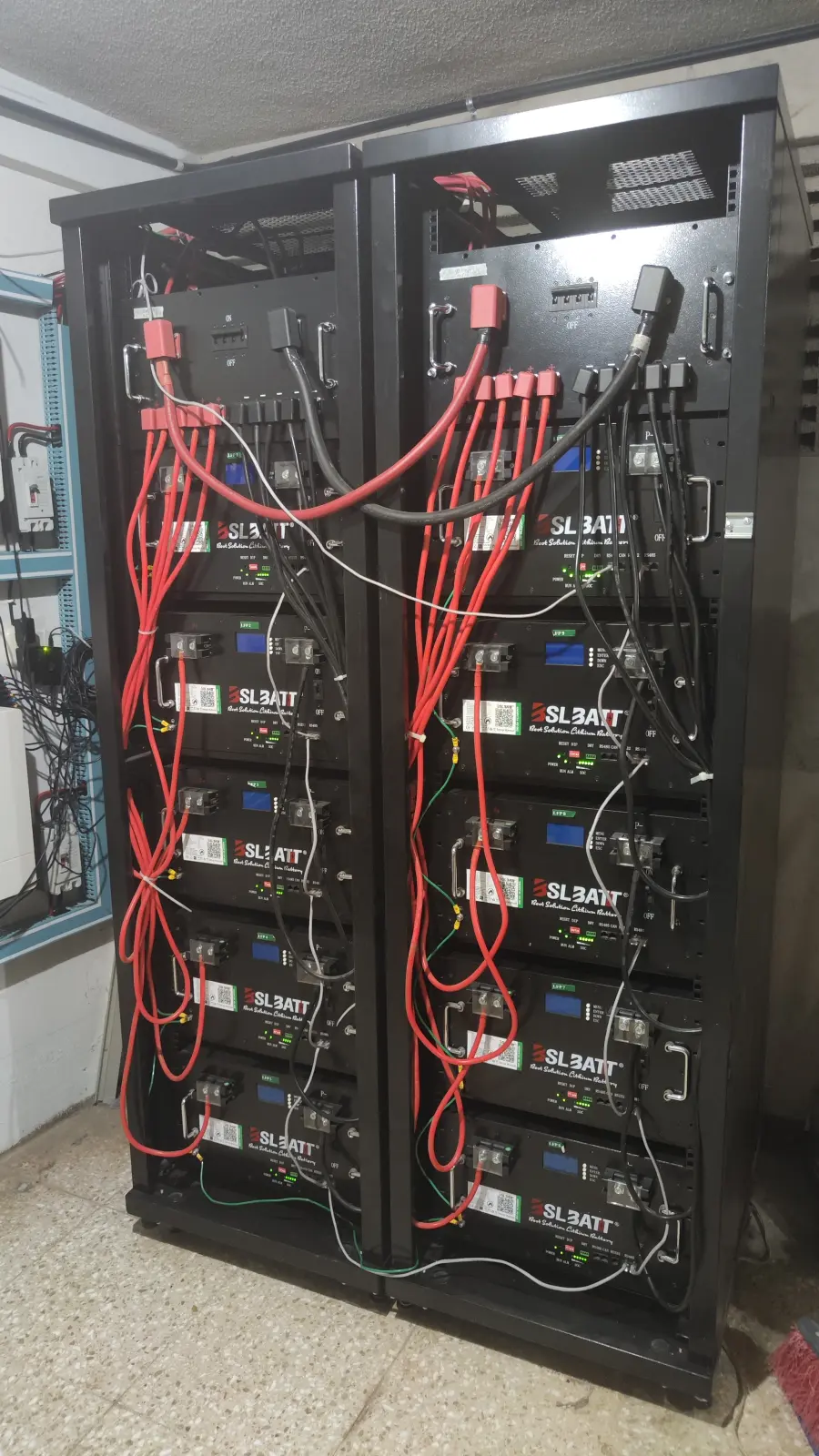
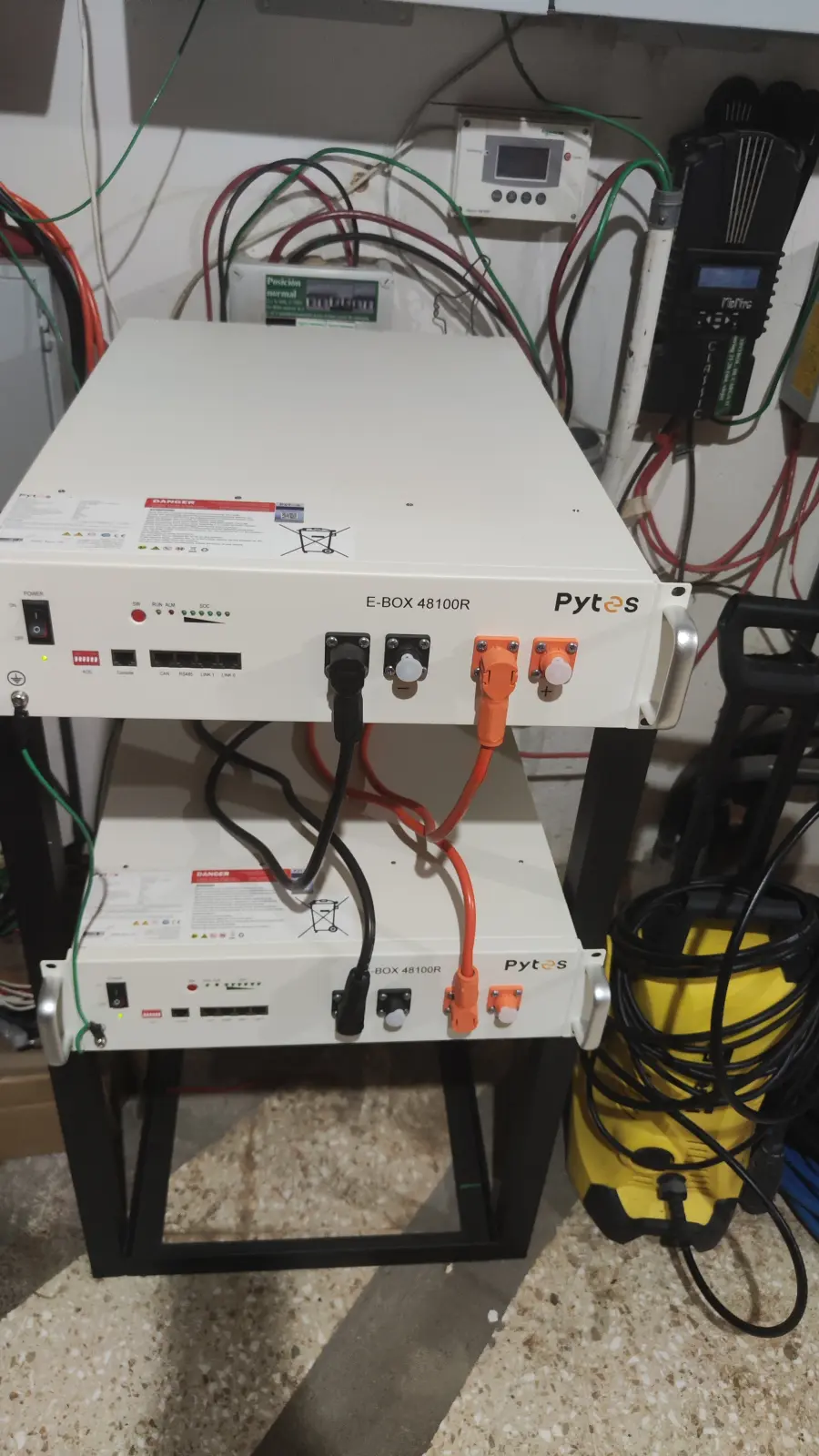
10 lithium batteries, 100 kWh

The main battery bank uses lithium technology with lithium iron phosphate (LFP) chemistry and has a capacity of 100 kWh. In addition, we have an older nickel-iron battery bank with a capacity of 144 kWh that is still operational, although it is approaching the end of its useful life. These energy storage systems allow part of the hotel to operate during the night. The 33 air conditioning units serving the 17 accommodation units are powered by this stored energy until the batteries reach their discharge limit. When the hotel has medium occupancy, the stored energy can cover most of the night and may even last until solar generation resumes the following day. However, when the hotel is fully occupied and temperatures are high, consumption increases and the stored energy may be depleted around midnight.

The 100 kWh lithium battery bank. In the near future, we will install an additional 100 kWh.
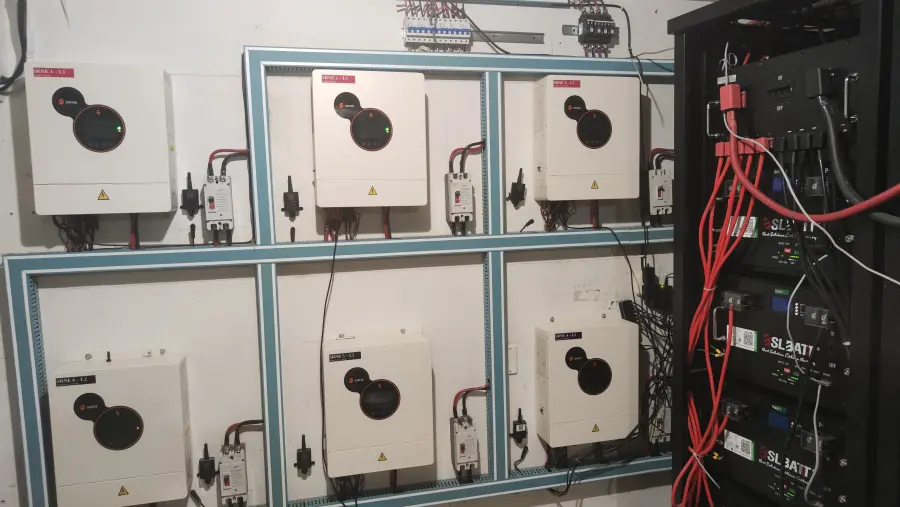
In 2022, we expanded our inverter and charge controller capacity by an additional 30 kW, this time using Chinese SRNE inverters.

Hot water

Solar thermal panels and three tanks

The hot water in the bathrooms does not go through an electric element: it is heated by solar panels and stored in three tanks. That is why there is hot water at six in the morning without the hotel spending a watt heating it.

We have four solar water-heating panels on the roof above the eastern section of the main building, with three hot water storage tanks below. There are two additional panels on the street-facing building, along with their own water tank, which supplies hot water to the kitchen.

Consumption in the room

100% LED and power cut on leaving

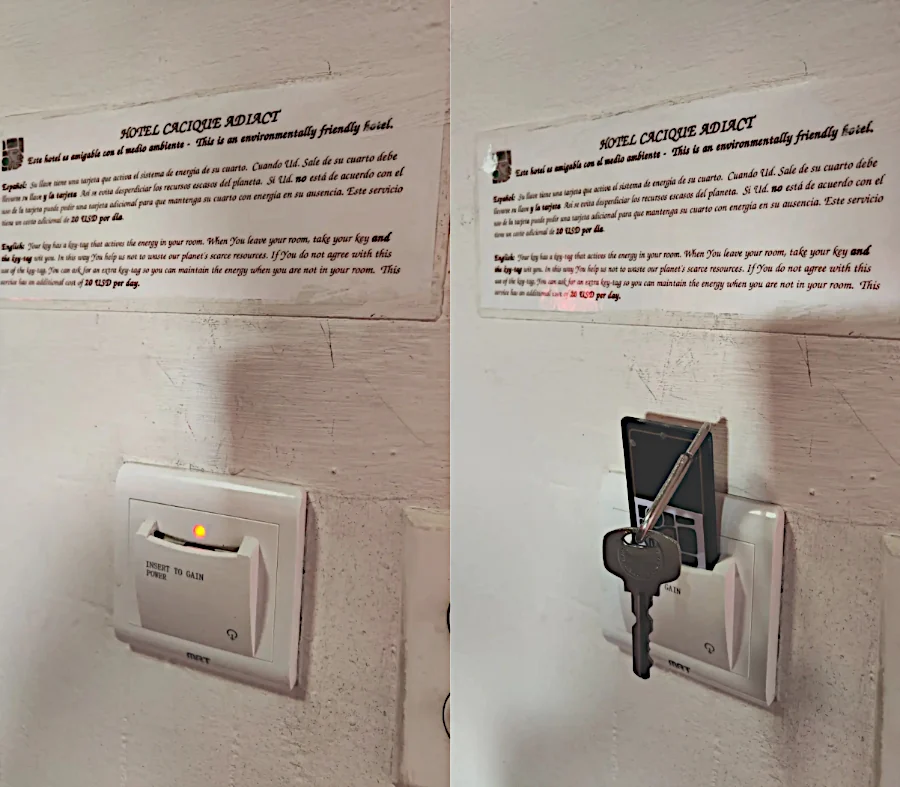
All lighting is high-efficiency LED and the air conditioning is inverter. When you leave the unit, a switch cuts the power and leaves only the fridge and one socket for charging devices on. It is only fair to state the trade-off: you cannot leave the air conditioning running to come back to a cool room.

The room’s electricity is activated instantly by inserting the key fob tag into the holder on the wall next to the door.

Water

Rain from the roofs, reused in toilets

During the rainy season, water collected from the rooftops is stored and reused for toilets and garden irrigation. It is not drinking water and is not intended for consumption; it is water that we use to reduce our reliance on the municipal water supply.The water is stored in an old underground garage located beneath the restaurant and is then pumped into a pressure tank for distribution.

Since we have two separate water circuits — one supplied by the municipal water company and another using recycled water — we also have two pumps and pressure tanks. The tank on the left is for city water, and the one on the right is for recycled water.

Waste

Organic waste reused, bottles separated, reusable tableware

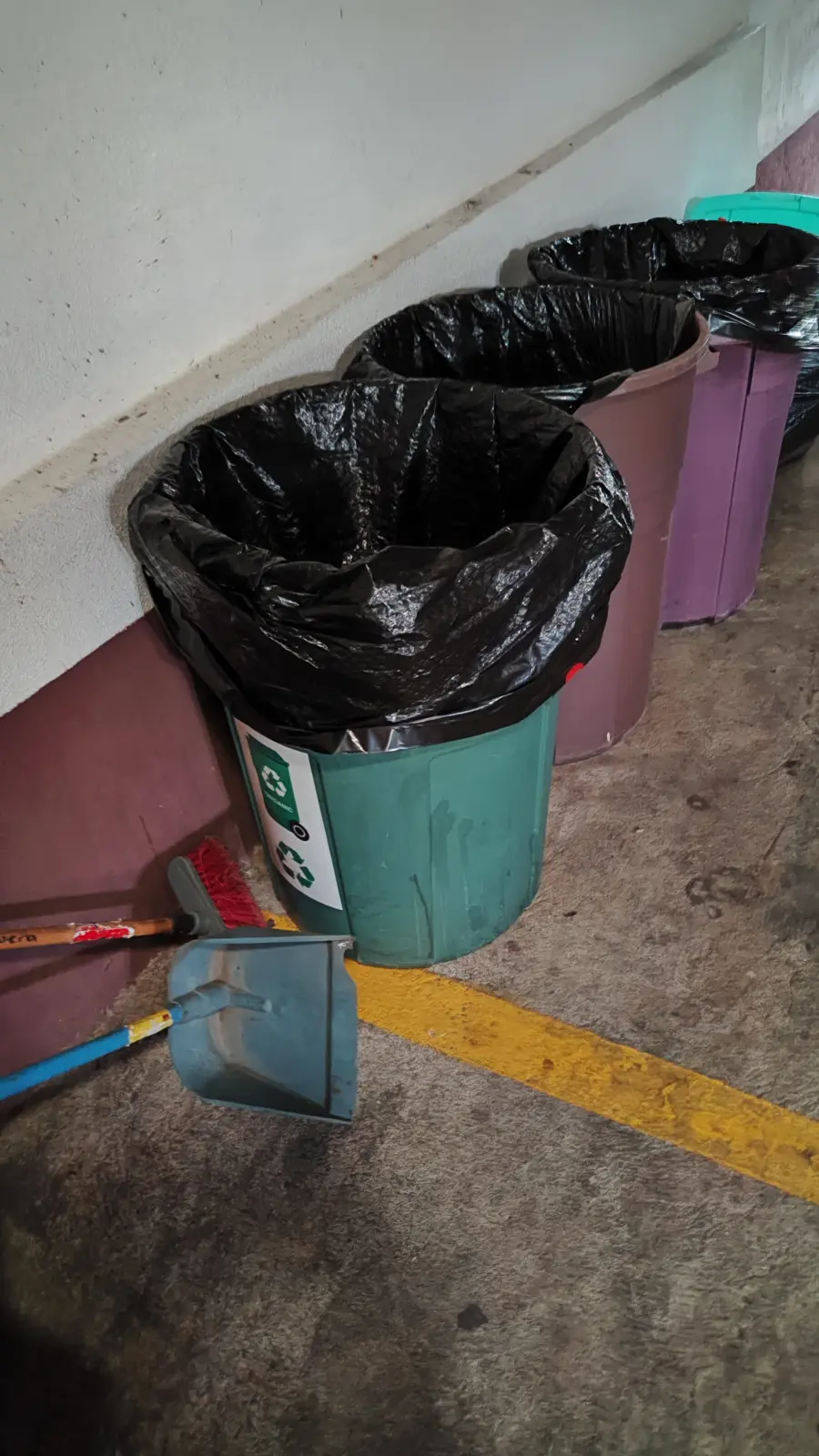
Organic waste is collected by a hotel staff member and reused as animal feed. Plastic bottles are separated and sent for recycling. At the café, we use reusable tableware instead of disposable products. For guests who wish to take food to eat outside the hotel, we provide compostable cups, containers, and bags.

Waste is separated into plastic, glass, organic waste, and the rest. Plastic and glass are collected by local informal recyclers using their tricycles, while organic waste is taken by one of our employees to feed their animals. The remaining waste goes to the municipal waste collection service.

Pool

High-efficiency filtration and copper ions instead of excessive chlorine

The pool uses a high-efficiency filtration system, and copper ions are injected to help prevent algae growth. Chlorine levels remain low and almost imperceptible: less odor, less eye irritation, and fewer chemicals entering the garden.

The hotel pool viewed from the garden rancho.

Why we tell it with numbers

Because saying “commitment to the planet” can mean many things; 100 kWh, on the other hand, is a concrete and verifiable figure. Any guest can see the solar panels from the roof and the batteries in the machine room. If you would like to learn more, we are happy to show them to you; just ask at reception.

The 70% represents the share of the hotel's consumed energy that comes from the sun during a normal year. The remaining 30% comes from the electrical grid, mainly during cloudy days or periods of high temperatures when air conditioning demand increases.

This figure corresponds to the average recorded during 2025. We measure the energy coming out of the inverters (from the solar panels or the battery bank) and also measure the energy coming in from the public grid, so the calculation is based on real and accurate measurements.

There is also additional savings thanks to the solar thermal panels, as all the hotel's hot water comes from this system. However, it is more difficult to quantify this saving precisely, meaning how much electricity would have been required to heat the same amount of water.

The solar water-heating panels have been operating since the hotel opened in 2013, while the photovoltaic solar panels began operating in 2017. In 2023, we added an additional 10 kW of solar capacity.

Our next goal is to expand the lithium battery bank from 100 kWh to 200 kWh. We would also like to increase the number of solar panels, although we currently have limited available roof space with the appropriate south-facing orientation.

No badges or certifications

We hold no third-party environmental certification. If we ever obtain one, we will say who issued it and when. In the meantime, this page only states installations that exist and can be seen.

Ask what is available for your dates

Book direct: best rate, no intermediary commissions and a human answering on WhatsApp.

Ask about availability